
Steel Making Raw Materials in UAE: The Ultimate 2025 Guide for Steel Producers
Making steel is, at its core, a story of transformation. Take humble raw materials — iron ore, coal, limestone, and scrap — and subject them to extreme heat, carefully controlled chemistry, and precise process management, and you get one of humanity’s most essential and versatile materials.
For steel manufacturers across the Middle East, South Asia, and Africa, the ability to reliably source all of these raw materials — at the right quality, the right price, and the right time — is the single biggest operational challenge. Supply disruptions at any point in the raw material chain can halt production entirely.
This guide provides a comprehensive overview of every major steelmaking raw material category, what to look for when purchasing, and how sourcing through UAE-based traders gives you a supply chain advantage that direct sourcing from mines or producers often cannot match.
Table of Contents
- 1. Iron Ore — The Foundation of All Steel
- 2. Coking Coal and Coke — The Heat and the Reductant
- 3. Limestone and Dolomite — The Essential Flux
- 4. Scrap Steel — The Circular Economy Driver
- 5. Pig Iron and Direct Reduced Iron (DRI/HBI) — The Scrap Substitutes
- 6. Ferro Alloys — The Performance Enhancers
- 7. Sourcing All Raw Materials Through a Single UAE Partner
1. Iron Ore — The Foundation of All Steel
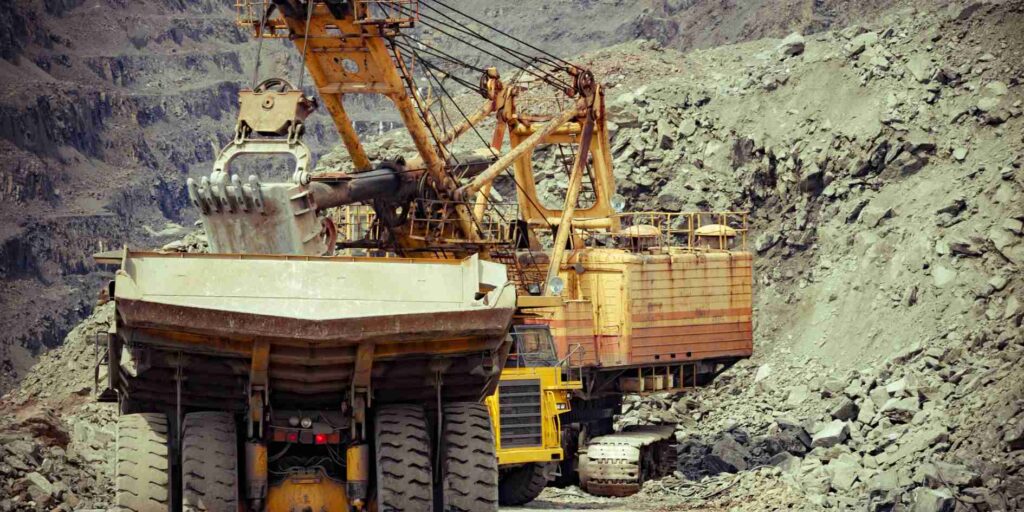
Every tonne of primary steel begins as iron ore. Depending on your steelmaking process — blast furnace, DRI-EAF, or direct reduction — you will require different iron ore forms:
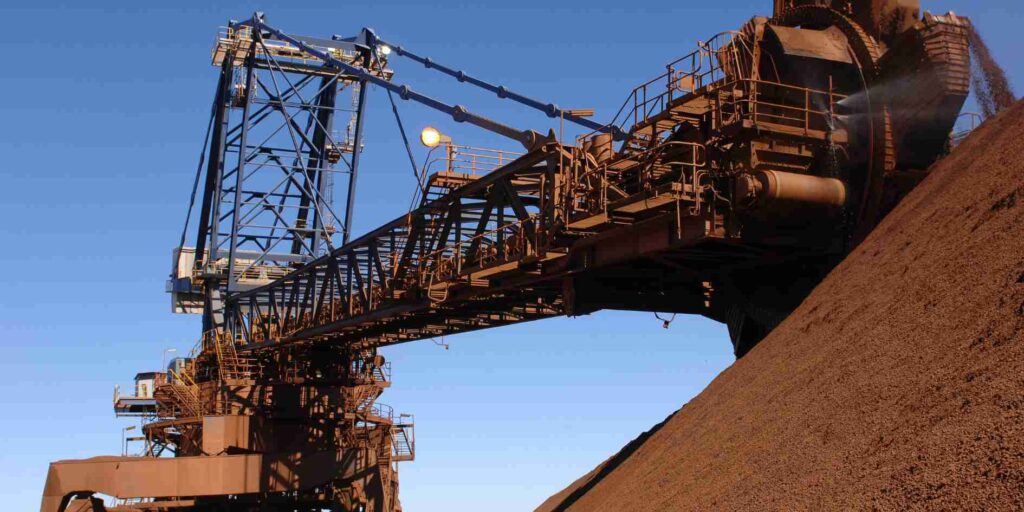
- Iron Ore Fines (58–65% Fe): Used in sinter plants at integrated mills. The most widely traded form globally.
- Iron Ore Lumps (60–65% Fe): Charged directly into blast furnaces. Trades at a lump premium over fines.
- Pellets (64–67% Fe): Used in both blast furnaces and DRI shaft furnaces. Highest consistency, highest price.
- Concentrate (66%+ Fe): Beneficiated ore used in pelletising plants. Primarily magnetite-based.
UAE traders source iron ore from India, Brazil, Australia, South Africa, and Iran. The choice of origin affects price, shipping time, and import duty structure for the buyer’s country.
2. Coking Coal and Coke — The Heat and the Reductant
In blast furnace steelmaking, coking coal (metallurgical coal) is the primary energy source and reducing agent. It is converted into coke — a porous, high-carbon material — through pyrolysis in coke ovens at around 1,000°C.
Key quality parameters for coking coal and coke:
- Coking coal: Vitrinite reflectance (Ro%), fluidity, volatile matter, ash content, sulphur, and coking strength after reaction (CSR)
- Metallurgical coke: CSR (ideally above 60%), CRI (Coke Reactivity Index, ideally below 30%), ash content, moisture, and sizing (typically 25–75mm for blast furnaces)
- Main origins: Australia (premium hard coking coal), USA, Canada, Russia, and Mongolia
For EAF-based mills using DRI or HBI as primary charge material (common in the Middle East), coking coal and coke are not required — electricity is the energy source. This is why the GCC region has historically favoured DRI-EAF steel technology.
3. Limestone and Dolomite — The Essential Flux
Limestone (CaCO₃) and dolomite (CaMg(CO₃)₂) are used as fluxes in both blast furnaces and steelmaking converters. At high temperatures, limestone decomposes to form quicklime (CaO), which combines with silica, alumina, and other acidic oxides in the iron to form fluid slag that can be separated from the metal.
Getting the flux chemistry right is critical for:
- Controlling the basicity ratio of the slag (CaO/SiO₂), which affects sulphur removal
- Achieving the correct slag fluidity for efficient separation from liquid metal
- Desulphurisation efficiency in both blast furnace and converter operations
- Refractory life in steelmaking vessels
4. Scrap Steel — The Circular Economy Driver
Scrap steel is the dominant raw material for EAF (Electric Arc Furnace) steelmaking — the technology that powers most of the Middle East’s steel production. In EAF steelmaking, scrap provides the iron units, while electricity provides the energy.
The quality of scrap determines the quality of the steel. The key grades traded in the UAE market include:
- HMS 1 & 2 (Heavy Melting Steel): Most widely traded grade, sourced from North America and Europe
- Shredded Scrap: Dense, consistent grade from automobile shredding — preferred by many EAF mills
- PNS (Plate and Structural Steel): Heavier grade with high yield and low contamination
- Busheling/Turnings: Lighter grades used in induction furnace operations
5. Pig Iron and DRI/HBI — The Scrap Substitutes
When scrap quality is poor, expensive, or insufficient, EAF steel mills use iron-bearing scrap substitutes — primarily pig iron and Direct Reduced Iron (DRI/HBI) — to maintain metallurgical quality and control tramp element levels.
- Pig Iron: 3.5–4.5% carbon, typically 92–94% metallization. Lower cost than HBI, excellent for carbon injection.
- DRI (Direct Reduced Iron / Sponge Iron): 90–94% metallization, available as lumps or briquettes. Widely produced in the Middle East (Iran, Saudi Arabia, UAE) using natural gas.
- HBI (Hot Briquetted Iron): Dense briquettes of DRI, easier to transport and charge into furnaces. Premium product for high-quality steel applications.
6. Ferro Alloys — The Performance Enhancers
Ferro alloys are the final ingredient added to liquid steel to achieve specific mechanical properties. Without them, producing anything beyond plain carbon steel would be impossible.
- Ferro Manganese: Deoxidisation and toughness enhancement
- Ferro Chrome: Corrosion resistance (essential for stainless steel)
- Silico Manganese: Combined deoxidiser and alloying agent for EAF steelmaking
- Ferro Silicon: Electrical and magnetic steel grades
- Ferro Molybdenum: High-temperature strength in pressure vessel and pipe steels
7. Sourcing All Raw Materials Through a Single UAE Partner
One of the most significant operational advantages Noble FZE offers is the ability to serve as a single procurement partner for multiple raw material categories. Rather than managing separate relationships with suppliers across five different countries, you can consolidate your procurement through one accountable counterparty.
Noble FZE currently supplies:
- Iron ore fines and pellets
- Pig iron (basic and foundry grades)
- Ferro alloys (chrome, manganese, silicon, molybdenum)
- Scrap metal (HMS, shredded, PNS)
- Chrome ore and manganese ore
- Coal and coke (selected grades)
Conclusion
Steelmaking raw material procurement is not a task for occasional spot buying. It requires deep market knowledge, verified supplier relationships, and disciplined quality management across multiple commodity categories. The companies that get this right build a durable competitive cost advantage — and those that do not pay for it in production losses, quality rejects, and customer dissatisfaction.
Noble FZE is positioned to be your complete raw material supply partner from Dubai. Reach out to our team today to discuss your specific requirements and receive a tailored procurement proposal.