
Green Steel in UAE: 8 Essential Strategies Shaping the Future of Sustainable Steel in 2025
Steel is both the backbone of modern civilisation and one of its biggest environmental challenges. The global steel industry accounts for approximately 7–9% of all human-caused CO₂ emissions — more than aviation and shipping combined. For an industry this critical, transformation is not optional. It is an existential necessity.
The concept of “green steel” — steel produced with dramatically reduced carbon emissions compared to the traditional blast furnace route — has moved from an academic idea to a commercial reality at remarkable speed. In the UAE and the broader Middle East, the combination of abundant renewable energy, the region’s existing DRI (Direct Reduced Iron) infrastructure, and government-led decarbonisation commitments is creating a genuinely competitive position in the global green steel transition.
This article explores the eight most important strategies shaping green steel development in the UAE in 2025 — and what they mean for steel buyers, producers, and traders operating in this region.
Table of Contents
- 1. Understanding What “Green Steel” Actually Means
- 2. The UAE’s Natural Advantage in the Green Steel Transition
- 3. Electric Arc Furnace (EAF) + Scrap — The Immediate Low-Carbon Pathway
- 4. Green Hydrogen-Based DRI — The Future of Zero-Carbon Iron
- 5. Circular Economy and Scrap Recycling in the Middle East
- 6. Carbon Border Adjustment Mechanisms (CBAM) — The Trade Policy Shift
- 7. Green Steel Certification and Transparency
- 8. How Commodity Traders Play a Role in the Green Steel Supply Chain
1. Understanding What “Green Steel” Actually Means
The term “green steel” is used broadly and sometimes loosely. For clarity, here is how the industry defines different levels of steel decarbonisation:
- Low-Carbon Steel: Produced with 20–50% fewer CO₂ emissions than the conventional blast furnace + BOF route (~2.0 tonnes CO₂ per tonne of steel). Achieved primarily through EAF with scrap or DRI.
- Near-Zero Carbon Steel: Produced with 80–95% fewer emissions. Requires green hydrogen-based DRI or carbon capture at blast furnaces.
- Net-Zero Carbon Steel: Theoretical target for 2050, where residual emissions are offset by carbon removal technologies.
- Recycled Content Steel: EAF steel using 100% scrap input, with emissions as low as 0.3–0.5 tonnes CO₂ per tonne.
The Middle East’s existing steel industry — dominated by EAF and DRI-EAF technology — is already significantly lower-carbon than the blast furnace dominant industries of China, South Korea, and Japan. This is an underappreciated competitive advantage as global carbon pricing evolves.
2. The UAE’s Natural Advantage in the Green Steel Transition
Several structural factors position the UAE as a natural leader in the green steel transition:
- Existing DRI Infrastructure: Emirates Steel (now EGA Steel) and other GCC producers already use the MIDREX and HYL DRI process — which can be adapted to use green hydrogen instead of natural gas as the reductant.
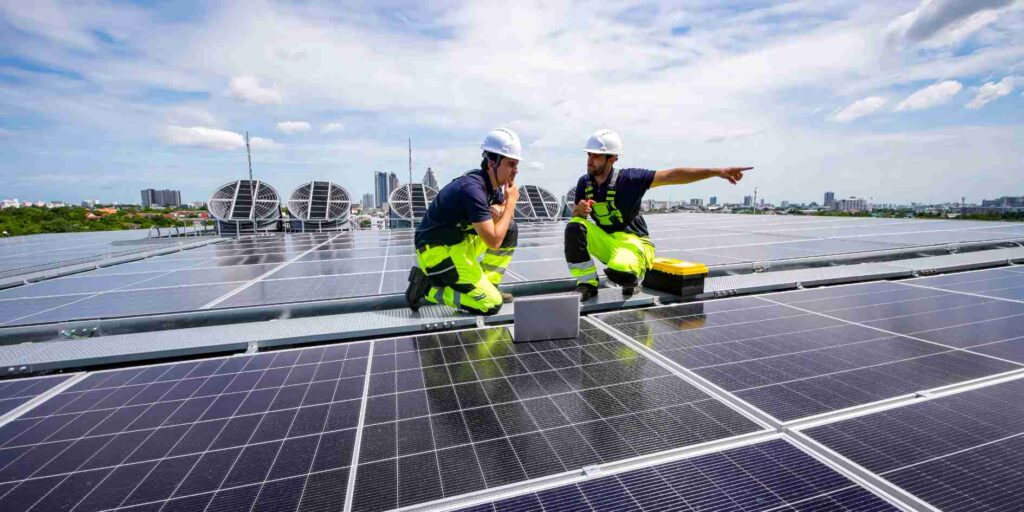
- Abundant Solar and Wind Resources: The UAE has some of the world’s lowest-cost solar electricity (DEWA’s 2020 auction reached USD 1.35 cents/kWh), creating the conditions for cost-competitive green hydrogen production.
- National Hydrogen Strategy: The UAE National Hydrogen Strategy (2021) targets 25% of the global clean hydrogen market by 2030.
- UAE Net Zero 2050: The UAE government’s commitment to net-zero emissions by 2050 creates policy momentum for industry decarbonisation.
3. Electric Arc Furnace (EAF) + Scrap — The Immediate Low-Carbon Pathway
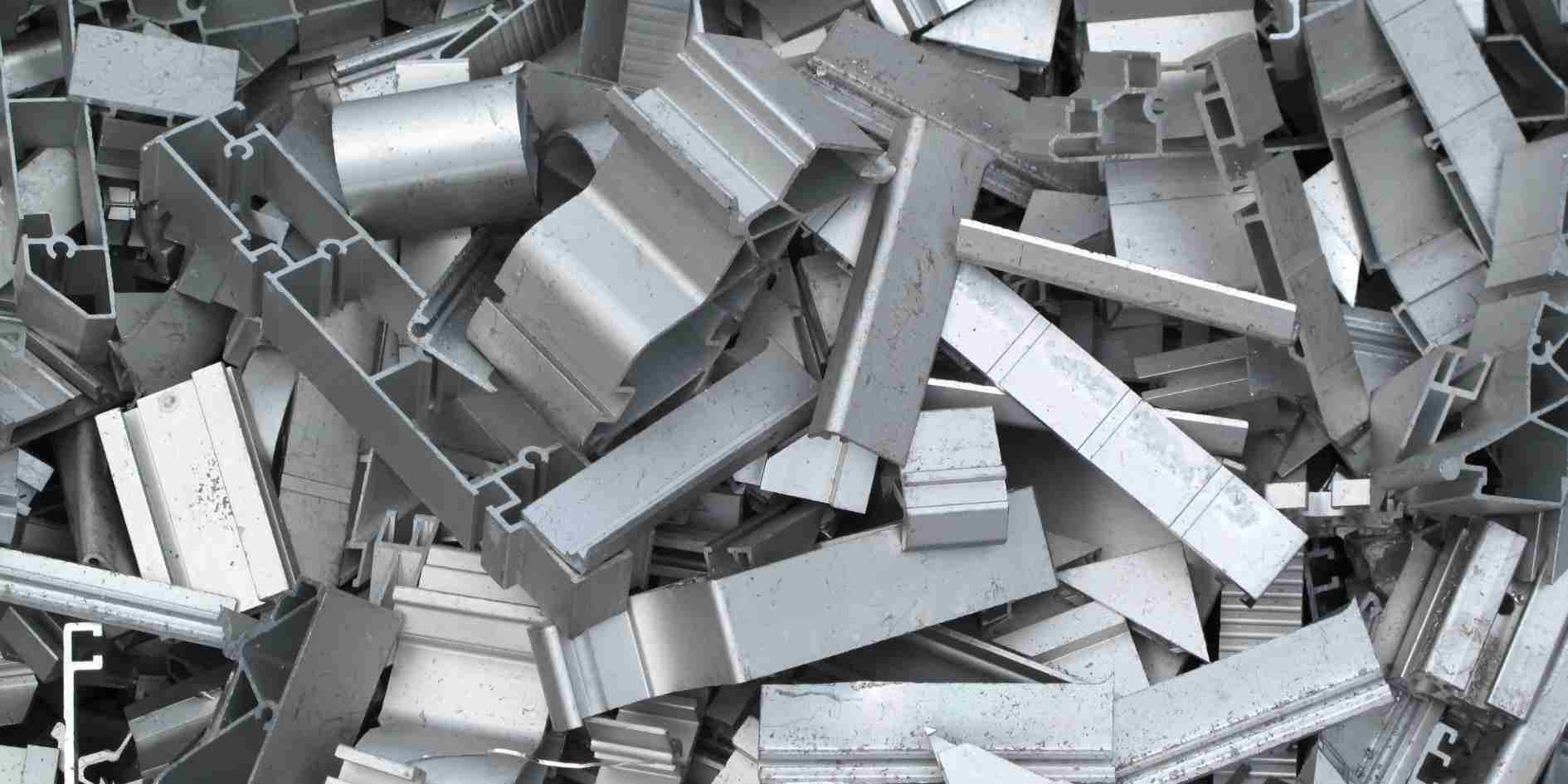
The fastest, lowest-cost pathway to green steel production is maximising the use of electric arc furnaces (EAF) running on renewable electricity, charged with high-quality steel scrap.
EAF steelmaking with a 100% scrap charge produces approximately 0.3–0.6 tonnes of CO₂ per tonne of steel — compared to 1.8–2.2 tonnes for integrated blast furnace + BOF production. With renewable electricity, this drops even further.
For the Middle East and UAE region, this means:
- Increasing the domestic scrap collection rate to reduce dependence on scrap imports
- Investing in scrap pre-processing to remove contamination and improve EAF yield
- Sourcing high-quality imported scrap (HMS, shredded, heavy structural) from Europe and the US
- Progressively increasing the renewable energy share in electricity used by EAF facilities
4. Green Hydrogen-Based DRI — The Future of Zero-Carbon Iron
The most exciting and transformative development in global steelmaking is the replacement of natural gas in DRI shaft furnaces with green hydrogen (H₂ produced from water electrolysis using renewable electricity).
When hydrogen replaces natural gas as the reductant in a DRI furnace, the only byproduct of the iron reduction reaction is water vapour — not CO₂. This creates what the industry calls “hydrogen-based DRI” or “H-DRI” — the pathway to truly near-zero carbon iron.
In 2025, H-DRI remains pre-commercial at scale, but several major projects are underway:
- HYBRIT (Sweden): The world’s first H-DRI pilot plant, producing green steel since 2021
- Emirates Steel / Abu Dhabi: Pilot hydrogen injection trials underway at the Mussafah DRI plant
- Saudi Aramco / SABIC: Exploring hydrogen-based steelmaking as part of the Saudi Vision 2030 green industrial agenda
- Voestalpine (Austria) and ArcelorMittal: Commercial-scale H-DRI projects targeting 2026–2028 start-up
5. Circular Economy and Scrap Recycling in the Middle East
The Middle East has historically been a scrap-importing region due to relatively low domestic scrap generation — the region’s infrastructure is relatively young and has not yet generated the large volumes of end-of-life scrap that Europe and North America produce.
However, this is changing:
- UAE’s rapidly growing scrap generation from construction demolition and automotive recycling
- Saudi Arabia’s scrap recycling infrastructure investment under Vision 2030
- Egypt’s status as a major ferrous scrap generator in North Africa
- Growing number of informal and formal scrap collection networks across the GCC
6. Carbon Border Adjustment Mechanisms (CBAM) — The Trade Policy Shift
The European Union’s Carbon Border Adjustment Mechanism (CBAM) — which began its transitional phase in October 2023 and enters full operation in 2026 — is perhaps the most significant trade policy development affecting global steel exports in a generation.
CBAM imposes a carbon price on steel imported into the EU that does not meet EU carbon standards. For Middle Eastern and Asian steel exporters who want to maintain access to European markets, this creates a powerful incentive to reduce the carbon intensity of their steel production.
UAE steel producers — with their existing EAF + DRI infrastructure — are significantly better positioned than Chinese blast furnace producers to compete in a CBAM environment. This is a genuine long-term competitive advantage for the region.
7. Green Steel Certification and Transparency
As buyers increasingly specify “green” or “low-carbon” steel in their procurement requirements — driven by their own scope 3 emissions reporting obligations — the need for credible, standardised green steel certification has become urgent.
Several certification frameworks are emerging:
- ResponsibleSteel International Standard: Covers social, governance, and environmental criteria at the site level
- SteelZero Initiative: Commits buyers and producers to 100% net-zero steel by 2050
- Steel Producer CO₂ Intensity Declarations: Self-reported or third-party verified emissions data per tonne of steel
8. How Commodity Traders Play a Role in the Green Steel Supply Chain
Trading companies like Noble FZE play an important and often underappreciated role in the green steel supply chain. By sourcing the highest-quality scrap from Europe and the US — scrap that has the lowest contamination levels and delivers the highest EAF yield — we directly support our steel mill customers’ ability to produce lower-carbon steel.
Additionally, by supplying high-grade DRI/HBI and pig iron from verified, low-carbon-intensity origins, we help mills reduce their dependence on lower-quality scrap that requires higher energy input and produces higher residual levels in the steel.
Conclusion
The green steel transition is not a distant future scenario — it is happening now, and the Middle East is better positioned than most regions to navigate it successfully. EAF technology, DRI infrastructure, renewable energy potential, and government commitment to net-zero targets create a genuine competitive foundation.
For steel buyers who want to future-proof their supply chains — avoiding the carbon price risk that will inevitably become more prominent over the next decade — sourcing from UAE and Middle Eastern producers, through a Dubai-based trading partner, is an increasingly logical choice.