
HMS Scrap Steel: 8 Critical Things Steel Buyers Must Know Before Ordering
If you run a steel mill or foundry, you already know that scrap is the lifeblood of electric arc furnace (EAF) steelmaking. Among all grades of ferrous scrap, Heavy Melting Steel — universally known as HMS — is the most widely traded and most critically evaluated category in the global market.
Getting your HMS sourcing wrong can cost you far more than the price difference. Contaminated scrap raises your energy costs, slows your furnace cycle, and damages your refractories. It can also introduce tramp elements into your steel that compromise quality.
This guide is written for steel procurement professionals who want practical, no-nonsense clarity on HMS scrap — from understanding grades to choosing a supplier with verifiable quality standards.
Table of Contents
- What Is HMS Scrap and How Is It Classified?
- HMS 1 vs HMS 2 — Key Differences Explained
- Industry Standards That Govern HMS Trading
- How Pricing Is Determined in the HMS Market
- What Contaminants to Watch For
- Inspection and Certification Best Practices
- Why Dubai Is a Major HMS Trading Hub
- Choosing a Reliable HMS Scrap Supplier
1. What Is HMS Scrap and How Is It Classified?
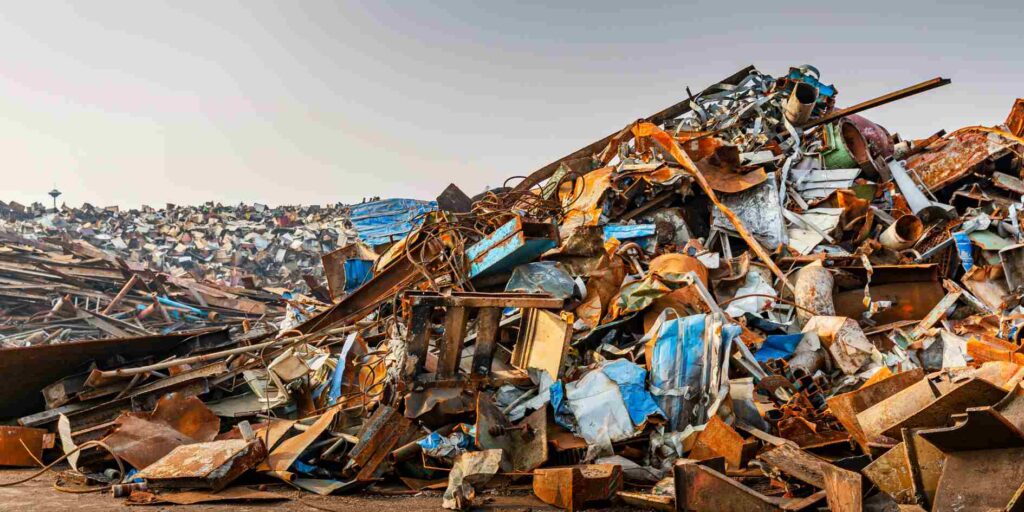
HMS stands for Heavy Melting Steel — a general classification for clean, recyclable ferrous scrap consisting of steel and iron pieces. It is the most common grade used by steel mills as a primary furnace charge in electric arc furnace (EAF) and induction furnace (IF) steelmaking.
The International Trade Association (ISRI) and European Ferrous Recovery and Recycling Federation (EFR) define HMS based on minimum thickness requirements, cleanliness standards, and allowable dimensions. In practice, the market globally uses “HMS” to refer to two main sub-grades: HMS 1 and HMS 2.
2. HMS 1 vs HMS 2 — Key Differences Explained
Understanding the difference between HMS 1 and HMS 2 is fundamental to any scrap procurement decision.
- HMS 1: Heavier, thicker steel (typically 1/4 inch or thicker), free from galvanised, tin-coated, or lead-coated material. Includes steel plates, structural steel, and machinery parts. Commands a premium price.
- HMS 2: A mix of lighter steel (thinner than 1/4 inch), may include light structural material, vehicle stampings, and punchings. Lower yield per ton compared to HMS 1.
Most buyers specify the blend ratio they want — for example, “80/20 HMS” refers to a mixture of 80% HMS 1 and 20% HMS 2. This ratio significantly affects the melt yield and the price per metric ton you should negotiate.
3. Industry Standards That Govern HMS Trading
The global HMS scrap trade follows established specifications. The most referenced standards are:
- ISRI Specifications (US origin scrap) — Institute of Scrap Recycling Industries
- BMRA Specifications (UK origin scrap) — British Metals Recycling Association
- Japanese H1/H2 Standards for scrap from Japan
- EU Scrap Standards for European origin material
When purchasing from a trading company based in Dubai, always clarify which standard applies to the specific origin being offered, as dimensions, thickness, and contamination limits can vary.
4. How Pricing Is Determined in the HMS Market
The HMS scrap price is one of the most volatile in commodity markets. Prices are driven by:
- Turkish import demand — Turkey is the world’s largest HMS scrap importer and effectively sets the benchmark price (CFR Turkey)
- US domestic scrap export prices (East/West Coast FOB)
- Shipping freight rates (key Baltic Index routes)
- Steel billet and rebar prices (derived demand)
- Seasonal factors — weather-related collection challenges in Europe and North America
- Energy costs at steel mills (electricity prices affect furnace economics)
5. What Contaminants to Watch For
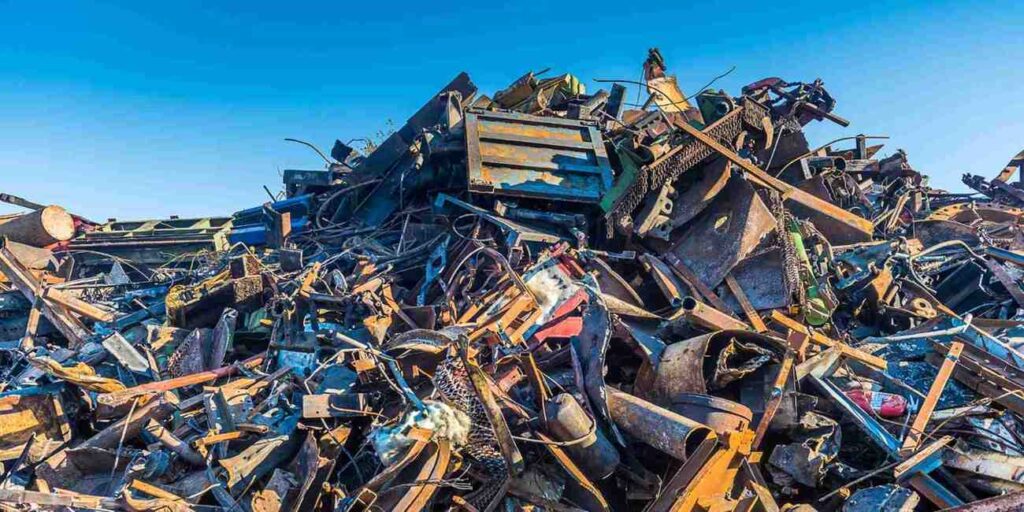
Contamination in HMS scrap is one of the most financially damaging problems a steel mill can face. Common contaminants include:
- Non-ferrous metals (copper, tin, zinc) — cause brittleness and quality failures in steel
- Radioactive materials — rare but catastrophic; all reputable suppliers provide radiation clearance certificates
- Explosive ordnance — residual military equipment; requires origin clearance
- Excessive moisture and dirt — increases shipping weight without metal value
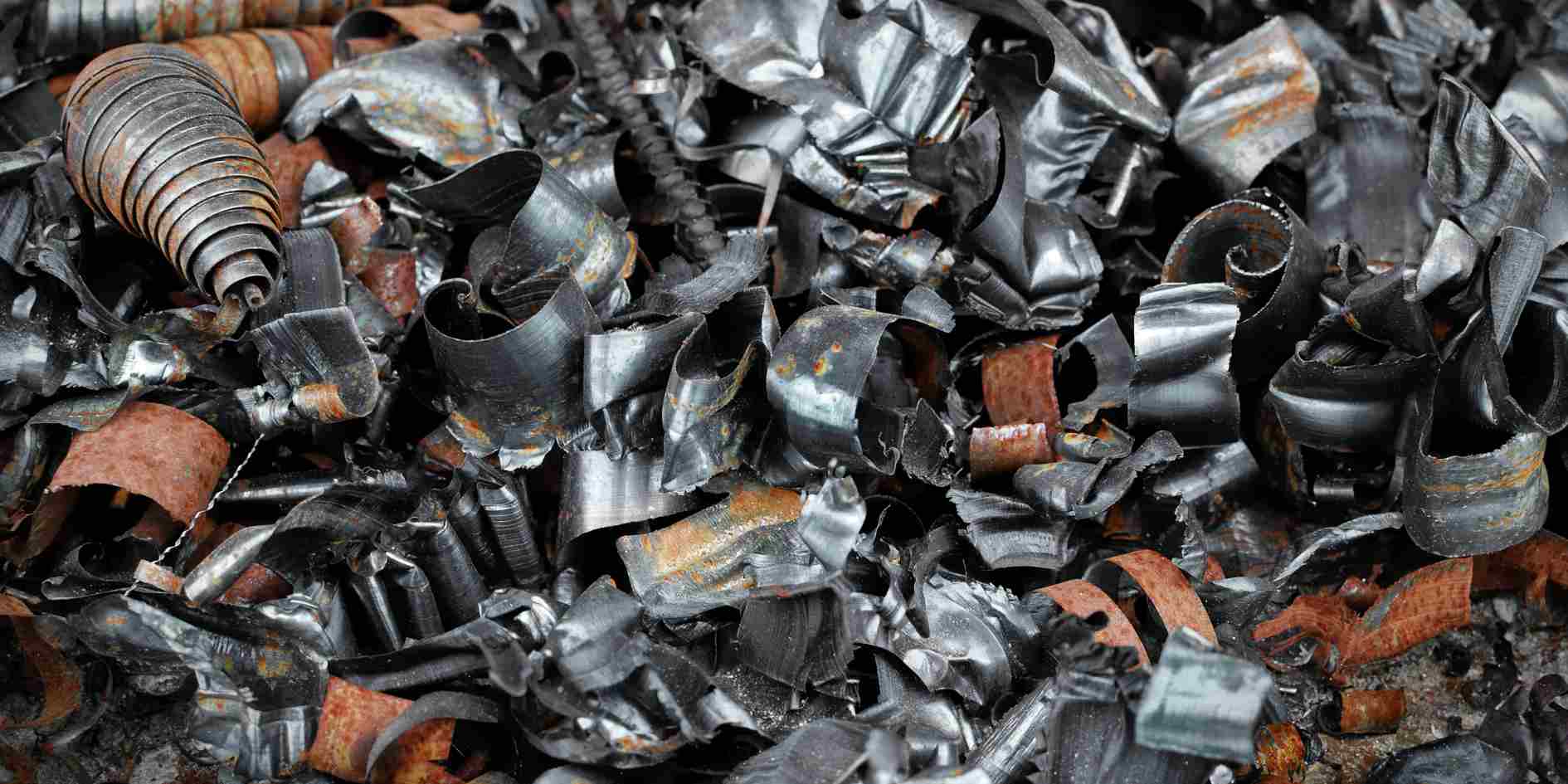
- Lightweight punchings and turnings mixed in to inflate weight
A reputable Dubai-based HMS supplier will always provide a radiation clearance certificate and allow third-party inspection before shipment.
6. Inspection and Certification Best Practices
To protect your purchase, always insist on the following from your HMS supplier:
- Pre-shipment inspection by SGS, Bureau Veritas, or Intertek at the loading port
- Radiation clearance certificate from a certified laboratory
- Weight certificate issued at a certified weighbridge
- Bill of lading with clean on-board notation
- Certificate of origin (required for import duty calculations)
Photos and/or video of material in containers/bulk before sealing
7. Why Dubai Is a Major HMS Trading Hub
Dubai serves as a pivotal re-export hub for HMS scrap, particularly material flowing from the UK, Europe, and the United States toward Asian and Middle Eastern consumers. Noble FZE and other Dubai-based traders consolidate large volumes at Jebel Ali, providing buyers with:
- Faster lead times versus direct sourcing from Europe or the US
- Consolidated parcels allowing smaller order quantities
- Competitive pricing due to bulk purchasing power
- Simplified logistics with a single point of contact
8. Choosing a Reliable HMS Scrap Supplier
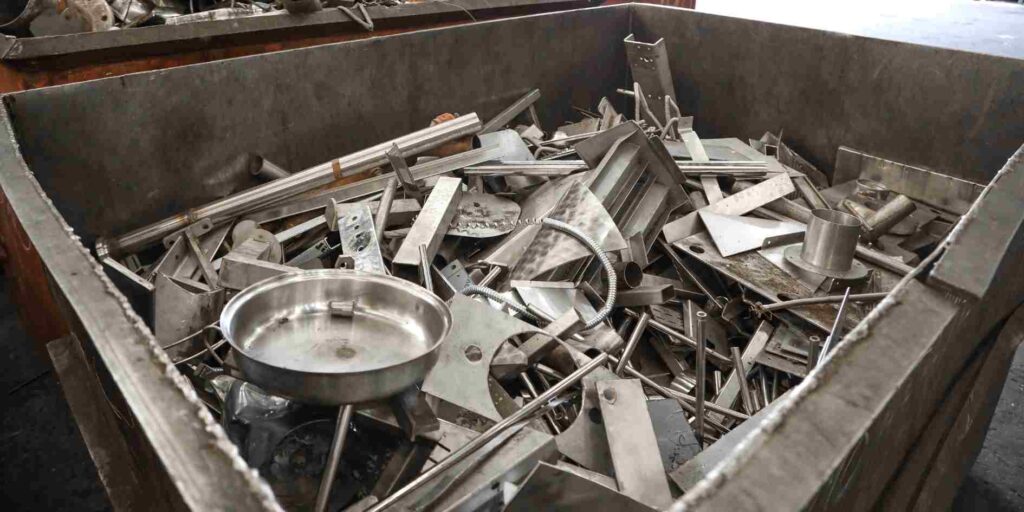
The scrap market has a higher proportion of unreliable intermediaries than almost any other commodity sector. Here is how to evaluate a supplier before committing:
- Ask for vessel loading photos and container stuffing reports from previous shipments
- Request references from at least two existing steel mill customers
- Verify their business registration in the UAE (MOE licence or free zone registration)
- Confirm they have a physical warehouse or established relationships with feeder suppliers
- Evaluate their responsiveness and transparency during negotiation — it reflects how they will handle disputes
Conclusion
HMS scrap steel is not a commodity you can afford to buy blind. The difference between a well-specified, properly inspected shipment and one that arrives with excessive light material or copper contamination could cost your mill weeks of production headaches and thousands of dollars in reprocessing costs.
Noble FZE offers HMS scrap with full inspection documentation, origin transparency, and flexible shipment sizes to match your furnace requirements. Contact our team today for current availability and pricing.