
Steel Billets vs Rebar vs Wire Rods: The Complete Buyer's Guide for 2025
Steel comes in many forms, and for buyers entering the market for the first time — or even experienced procurement managers sourcing from a new region — the terminology can be genuinely confusing. What exactly is the difference between a steel billet and a rebar? When do you buy wire rods instead of rebar? Why does pricing differ so significantly between these products?
These are not academic questions. Getting the product specification wrong means receiving material your operations cannot use, or paying a premium for quality you do not need. This guide is designed to give you a clear, practical understanding of three of the most commonly traded long steel products: steel billets, rebar, and wire rods.
Table of Contents
- Steel Billets — The Building Block of Long Products
- Rebar (Reinforcing Bar) — The Construction Industry’s Backbone
- Wire Rods — Versatility in a Coil
- Key Differences at a Glance
- Which Product Should You Buy?
- Pricing Dynamics in 2025
- How to Source These Products from Dubai
1. Steel Billets — The Building Block of Long Products
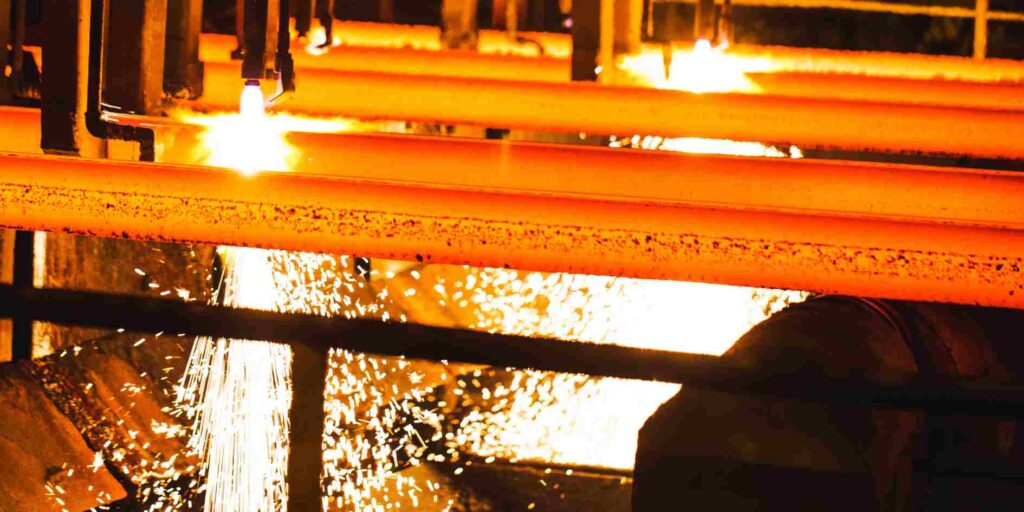
A steel billet is a semi-finished product produced directly from continuous casting. It is essentially a long, square or rectangular cross-section bar of steel — the raw input that steel mills use to roll into finished long products such as rebar, wire rods, merchant bars, and angles.
Key specifications for steel billets:
- Section size: Typically 100x100mm, 120x120mm, 130x130mm, 150x150mm
- Length: Usually 6–12 metres, customisable
- Carbon content: Ranges from 0.06% to 0.45% (low, medium, or high carbon)
- Standards: ASTM A615, BS 4449, IS 1786, or custom mill specifications
Steel billets are primarily purchased by rolling mills that do not have their own steelmaking facility. They represent one of the highest-volume categories in the global steel trade, particularly along the Turkey-to-Southeast Asia corridor.
2. Rebar (Reinforcing Bar) — The Construction Industry’s Backbone
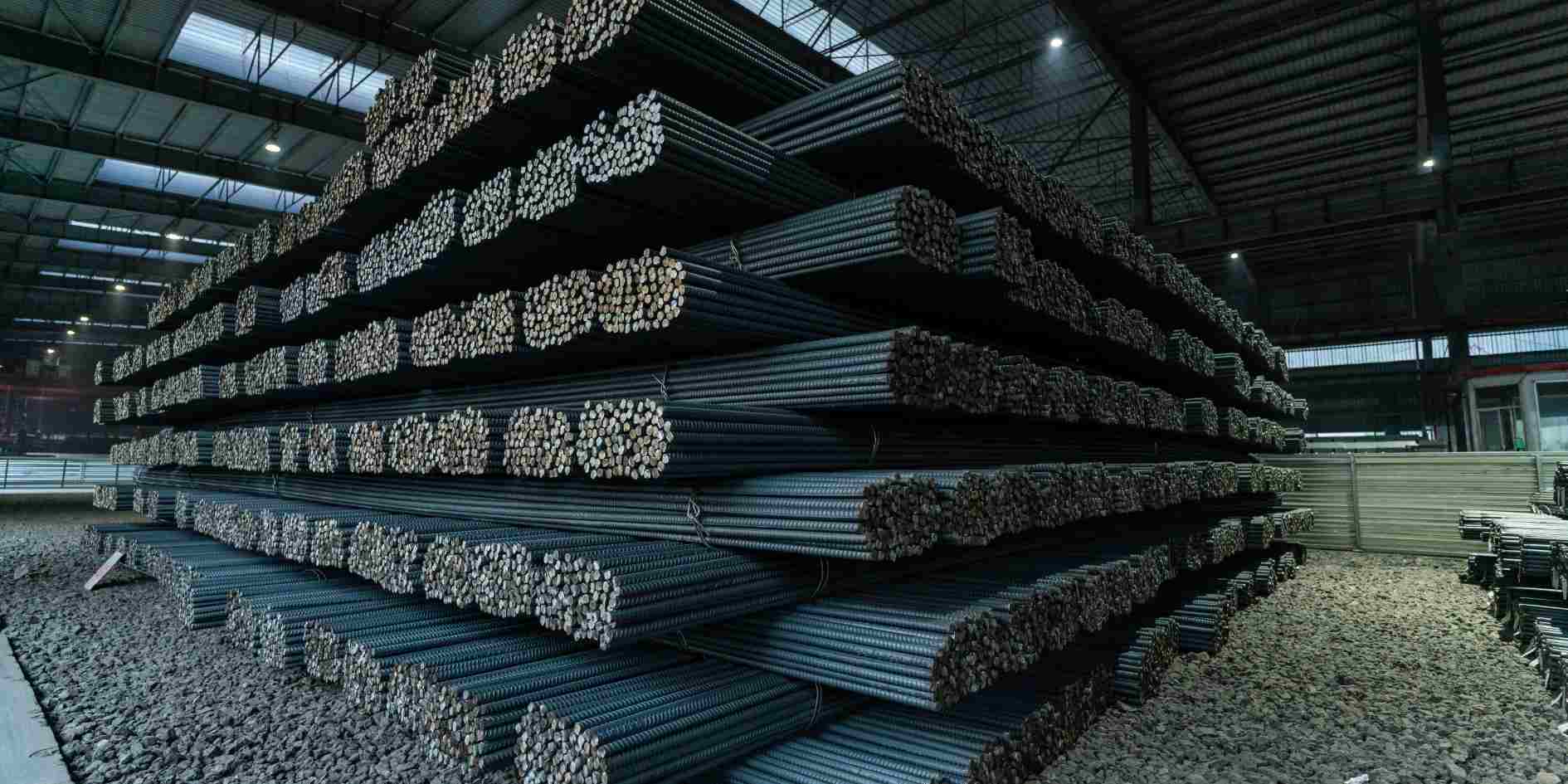
Rebar — short for reinforcing bar — is a ribbed or deformed steel bar embedded in concrete to add tensile strength to reinforced concrete structures. It is the most widely used construction material after concrete itself.
Key specifications for rebar:
- Diameter: 8mm, 10mm, 12mm, 16mm, 20mm, 25mm, 32mm (most common)
- Length: Standard 6m, 9m, or 12m bundles, or cut-to-length
- Yield strength: Typically 420 MPa (Grade 60) or 500 MPa (B500B/B500C)
- Standards: ASTM A615, BS 4449, EN 10080, IS 1786
- Surface: Deformed/ribbed pattern required for concrete bonding
Rebar demand is directly tied to construction activity. In the Middle East, rebar consumption has grown sharply due to infrastructure investment under Saudi Vision 2030 and ongoing construction activity across UAE, Qatar, and Egypt.
3. Wire Rods — Versatility in a Coil
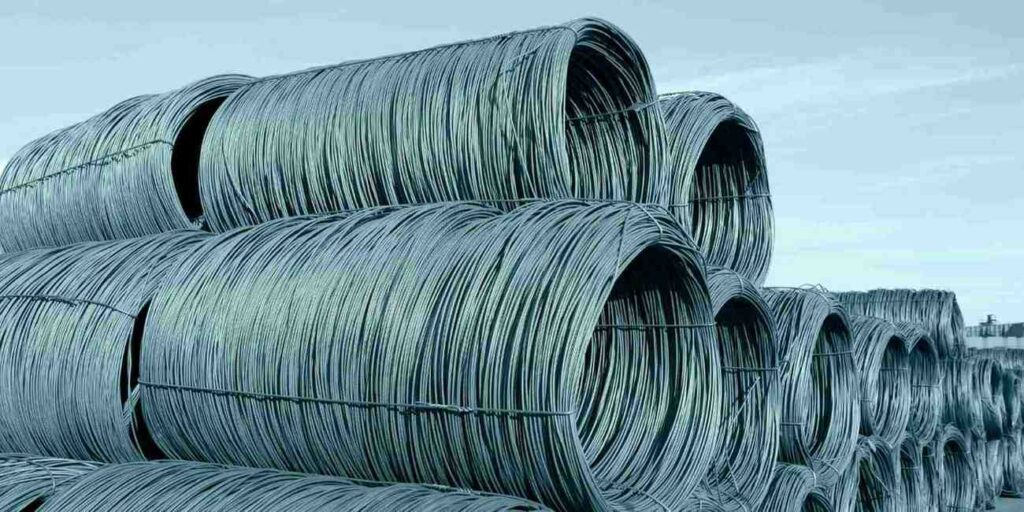
Wire rods are hot-rolled, long steel products in coil form, with a circular cross-section typically ranging from 5.5mm to 20mm in diameter. They are the starting point for a vast range of downstream products.
Common applications of wire rods:
- Wire drawing → into fine wire for springs, nails, and meshes
- Cold heading → fasteners, bolts, and screws
- PC strand wire → prestressed concrete applications
- Electrode wire → welding consumables
- Barbed wire and fencing products
Wire rods are traded in high-carbon, medium-carbon, and low-carbon grades. The grade determines what the downstream product can be — a fact that makes specification precision absolutely critical.
4. Key Differences at a Glance
A quick reference summary for procurement decision-making:
- Steel Billets — Semi-finished; used as raw material by rolling mills; no direct construction use
- Rebar — Finished product; used in concrete reinforcement; deformed surface essential
- Wire Rods — Finished product in coil form; used in wire drawing, cold heading, fasteners; requires grade-specific specification
5. Which Product Should You Buy?
The answer depends entirely on your business model and downstream operations:
- If you are a rolling mill: Buy steel billets and roll them into your own finished products.
- If you are a construction company or steel trader: Buy rebar in the diameter and grade your projects require.
- If you are a wire manufacturer, fastener producer, or nail manufacturer: Buy wire rods in the appropriate carbon grade.
- If you are a distributor or stockist: Maintain a mix of rebar diameters and wire rod coils to serve multiple end-users.
6. Pricing Dynamics in 2025
Steel product prices in 2025 have been shaped by:
- Chinese steel export surge — oversupply from China has kept global billet and rebar prices under pressure
- Increased construction spending in the Middle East and India — supporting rebar demand and prices
- Raw material cost stability — iron ore prices have been relatively stable, providing a floor for billet pricing
- Freight rate fluctuations — Red Sea disruptions have occasionally inflated CIF prices for Middle Eastern buyers
Currently, rebar and billet prices from CIS (Commonwealth of Independent States) origins and Turkey remain competitive for Middle Eastern buyers. Chinese wire rods offer the most cost-competitive pricing for standard grades.
7. How to Source These Products from Dubai
Noble FZE maintains active supply programmes for steel billets, rebar, and wire rods from multiple origins including Turkey, China, Russia, and Ukraine. Our team can assist you with:
- Origin-specific sourcing recommendations based on your import duty structure
- Mill test certificate verification and third-party quality inspection
- Flexible shipment sizes — from FCL containers to bulk vessel orders
- Competitive pricing across multiple grades and specifications
Conclusion
Steel billets, rebar, and wire rods each serve a distinct role in the steel value chain, and choosing the right product — in the right grade, right specification, and right quantity — is fundamental to managing your costs and your operational performance. If you are unsure which product best meets your needs, contact the Noble FZE team for a free product consultation.